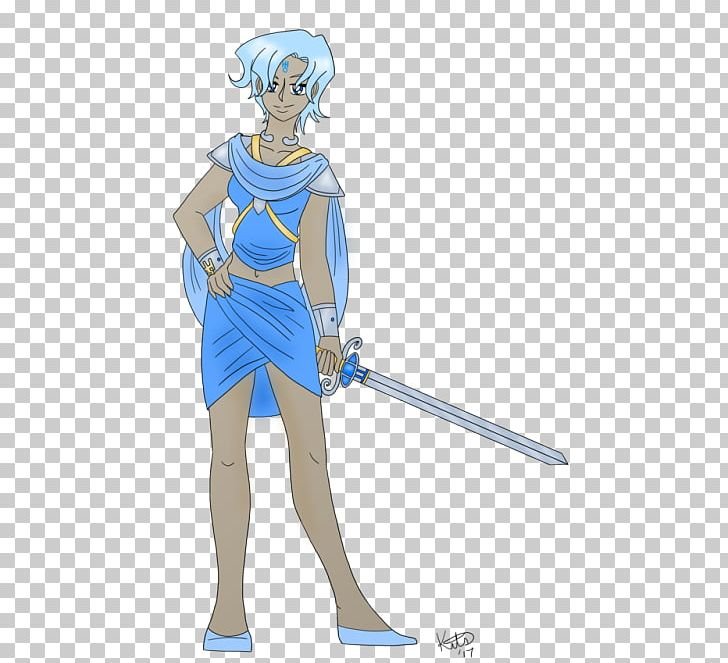
The glint of a hero's blade, the menacing silhouette of a villain's cutlass, the comedic wobble of a knight's oversized sword – these aren't just details in a cartoon; they're vital elements that define characters, propel plots, and stick in our memories. Mastering Sword Cartoon Character Design & Styles is about more than just drawing a pointy object; it's about infusing personality, power, and purpose into every animated edge. Whether you're a budding animator, a seasoned character designer, or simply a fan curious about the magic behind the screen, understanding the art of cartoon sword design is a journey into the heart of visual storytelling.
At a Glance: Crafting Memorable Cartoon Swords
- Swords are extensions of character: They should reflect the wielder's personality, strengths, and even flaws.
- Style dictates form: A sword's design must align with the overall animation style – from hyper-realistic to abstract.
- Function serves narrative: While practicality can be bent in cartoons, a sword's design should still hint at its role in the story.
- Exaggeration is key: Cartoon swords thrive on visual shortcuts and amplified features for impact and clarity.
- Color and effects enhance presence: Magical glows, shimmering blades, or rustic textures add depth and power.
- Animation matters: Design with movement in mind, considering how the sword will look in action.
Beyond the Blade: Why Every Cartoon Sword Matters
Think about your favorite animated sword-wielders. He-Man’s Power Sword, Link’s Master Sword, Finn’s various blades from Adventure Time, or even the comically oversized weapons in Dragon Ball Z. Each sword is instantly recognizable, not just as a weapon, but as an integral part of its character's identity and the world they inhabit. A sword in a cartoon is rarely just a sword; it's a symbol, a plot device, a source of power, or even a comedic prop.
The art of designing these iconic blades lies in a delicate balance between visual appeal, character integration, and storytelling potential. It's about making a sword feel organic to its cartoon universe, whether it’s a gleaming artifact of destiny or a hastily crafted wooden stick that serves a heroic purpose.
Deciphering the Styles: A Visual Arsenal
Just as animation itself boasts a spectrum of styles, so too do the swords within them. The approach to designing a sword is fundamentally shaped by the aesthetic world it inhabits.
From Classic Cel to Modern Digital: Understanding Animation Styles
The style of a cartoon profoundly influences its sword designs. What works for a gritty, anime-inspired series won't necessarily fit a whimsical, hand-drawn production for preschoolers.
- Traditional Animation (e.g., Disney Classics, Don Bluth films): Swords often have a more grounded, though still stylized, look. They might be elegant rapiers for dashing princes or rugged broadswords for brave knights. The designs respect classical proportions but simplify details for fluid animation. Think of the Beast's sword in Beauty and the Beast – recognizable as a real-world weapon, but with a refined, animated grace.
- Anime/Manga (e.g., Berserk, One Piece, Demon Slayer): This style often pushes boundaries. Swords can be fantastical, impossibly large, intricately detailed, or wield unique magical properties. There's a strong emphasis on cool factor and expressing the wielder's inner strength or combat style. Exaggeration is a tool for impact, allowing blades like Zoro's three katana or Guts's Dragon Slayer to become character icons themselves.
- Western Animation (e.g., Avatar: The Last Airbender, She-Ra and the Princesses of Power): Designs here can vary wildly, from highly stylized and geometric to organic and magical. There's often a focus on clear silhouettes and expressive shapes that convey function and character visually. The sword might transform, glow, or have unique mechanical elements, reflecting a more modern, flexible approach to design.
- Chibi/Super Deformed (e.g., many mobile game characters, comedic shorts): When characters are drawn with exaggerated heads and small bodies, their swords often follow suit. They become comically oversized, simplified to basic shapes, or even miniaturized and adorable. The goal is cuteness or humor, making the sword an accessory rather than a realistic weapon.
- Gaming Aesthetics (e.g., Fortnite, Minecraft, various RPGs): While not purely animation, game character design often influences cartoon styles. Swords can be pixelated, blocky, highly detailed 3D models, or stylized concepts that prioritize unique silhouettes and identifiable traits. The need for visual clarity across various camera angles and customization options often guides these designs.
No matter the style, studying different animation styles helps you understand the visual vocabulary available for your own sword designs.
The Anatomy of a Cartoon Blade: Form Meets Function (and Fun!)
Even in cartoons, a sword has fundamental parts, though they're often simplified, exaggerated, or reimagined.
- Blade: This is the primary cutting/stabbing edge. In cartoons, blades can be straight, curved, serrated, ethereal, or even made of unlikely materials like ice or energy. Their size and shape are often dramatically exaggerated to convey power or absurdity.
- Hilt/Handle: Where the character holds the sword. It needs to look comfortable to grip, even if the physics of it are impossible. Its design can reflect the character's status (ornate for royalty, wrapped leather for a rogue).
- Guard/Crossguard: Protects the wielder's hand. Cartoon guards can be simple bars, elaborate wings, or magical shields, often becoming a signature design element.
- Pommel: The counterbalance at the end of the hilt. In cartoons, this can be a jewel, a monster's head, or simply a stylized knob, adding flair or a touch of weight.
The key isn't strict adherence to realism but rather clear communication. Each part, however simplified or exaggerated, should contribute to the sword's overall character and visual readability.
Crafting the Hero's Edge: Design Principles in Action
Designing a cartoon sword isn't a random act; it's a thoughtful process driven by character, narrative, and artistic principles.
Character Integration: The Sword as a Second Skin
The most compelling cartoon swords feel like a natural extension of their wielder. They are designed in harmony with character anatomy fundamentals and personality.
- Personality Match: A stoic warrior might wield a sturdy, no-nonsense broadsword, while a flashy rogue could have a slim, elegant rapier. A comedic character might have an absurdly small or ridiculously oversized weapon.
- Silhouette & Proportion: Does the sword’s shape complement or contrast the character's silhouette? A long, flowing character might have a sharply angular sword to create visual tension, or a curvaceous blade to match. Consider the character's size and strength; a delicate character with a massive sword immediately implies magic or incredible (cartoon) strength.
- Expressing Archetype: Is the character a noble hero, a cunning villain, a wise mentor, or a clumsy sidekick? The sword can instantly communicate this. A hero's sword might be bright and clean, symbolizing purity, while a villain's blade could be jagged and dark, suggesting corruption.
- The "Rule of Cool": In cartoons, visual impact often trumps real-world physics. If a design looks awesome and feels right for the character, even if it's impractical, it's often the right choice. However, it should still convey some sense of how it's used.
Storytelling Through Steel: Plot-Driven Design Choices
A sword can be a powerful storytelling tool, revealing history, purpose, and even destiny. Its design should hint at its role in the narrative.
- Origins & Lore: Does the sword come from an ancient civilization? Is it forged in a magical realm? Is it a futuristic energy blade? The design should subtly reflect its backstory. Ancient swords might have weathered textures or mystical runes. Tech swords might have glowing power cores or intricate mechanisms.
- Powers & Abilities: If the sword can shoot energy blasts, transform, or grant special powers, its design should visually suggest these capabilities. A glowing pommel, a blade that shimmers with magical energy, or an intricately carved hilt can all hint at its unique abilities.
- Symbolism: A sword can symbolize a character's quest, their personal growth, or the ideals they fight for. A broken sword repaired symbolizes resilience, while a sword passed down through generations represents legacy.
- Evolving Designs: Sometimes a sword's design changes over the course of a story to reflect the character's development, like a plain blade that gains magical embellishments as a hero grows stronger. This reinforces how props tell a story without needing dialogue.
Color, Texture, and FX: Bringing Swords to Life
Beyond shape, the visual details are what truly make a cartoon sword pop.
- Color Palette: The colors used on a sword can instantly convey its nature. Bright blues and whites for a heroic, magical blade; dark purples and greens for a corrupted weapon; earthy browns and grays for a rustic, practical tool. The palette should integrate with the character's and the world's overall color scheme.
- Texture & Material Indication: Even without hyper-realism, you can suggest different materials. A few strokes can imply wood grain, a subtle shine can hint at polished metal, and rough edges can suggest stone or raw power. Think about how free cartoon character sword icons from resources like Icons8 or swords cartoon style images from Freepik use color and minimal texture to convey material.
- Special Effects (FX): Magical glows, electrical crackles, fiery blades, or shimmering energy fields are hallmarks of cartoon swords. These effects amplify the sword's power, highlight key moments, and add dynamic visual interest to animation. The effects should be distinctive and consistent with the sword's abilities.
Practical Steps to Forging Your Own Iconic Blade
Ready to design a sword that's truly yours? Here's a structured approach to guide your creative process.
Step 1: Know Your Character & World
Before you even draw a line, understand who will wield this sword and where.
- Who is your character? What's their personality, background, strength, fighting style, and overall visual design? A scrawny wizard won't carry the same sword as a hulking barbarian.
- What's the world like? Is it high fantasy, sci-fi, a whimsical dreamscape, or a gritty urban setting? The technology, magic, and general aesthetic of the world will heavily influence the sword's appearance. What era is it? Are there specific cultural influences?
Step 2: Sketch, Iterate, Refine
This is where the ideas start flowing. Don't commit to the first design.
- Thumbnailing: Start with small, quick sketches focusing on the overall silhouette and main shape. Don't worry about details yet. Explore many different options – long, short, thick, thin, straight, curved, fantastical, mundane.
- Silhouette Exploration: A good cartoon sword should be recognizable from its silhouette alone. Test this by filling in your sketches with black. Which shapes are most distinctive?
- Iterate and Refine: Pick your favorite thumbnails and start adding more detail. Try different hilts, guards, and pommels. Play with proportions. Don't be afraid to experiment, even with "bad" ideas, as they can often lead to unexpected breakthroughs.
Step 3: Harmonize with the Overall Aesthetic
Ensure your sword fits seamlessly into the character's design and the show's established style.
- Visual Consistency: Does the sword's line work, level of detail, and stylistic exaggeration match the character and environment? A hyper-detailed sword on a simple, minimalist character can look out of place.
- Scale and Proportion: Hold the sword up to your character (digitally or on paper). Does it feel appropriately sized? Is it too unwieldy or too small? Remember, cartoons can bend realism, but the internal logic of the world should generally remain consistent. Ensuring consistency with different animation styles is paramount.
Step 4: Think About Action & Animation
A static drawing is one thing; a sword in motion is another.
- Movement & Flow: How will the sword look when swung? Will its design create interesting motion trails or dynamic arcs? Will it clang against other weapons in a satisfying way?
- Interaction: How does the character interact with the sword? Do they sheath it uniquely? Do they use it for non-combat tasks? These interactions can inspire design elements.
- Special Effects: Plan for any magical glows, shimmers, or energy blasts the sword might produce. These effects should be integrated into the base design, not just slapped on top.
- Consider how the sword will contribute to the visual narrative, understanding how props tell a story is key.
Pitfalls to Avoid: Common Blunders in Blade Design
Even seasoned designers can make missteps. Keep these in mind:
- Over-Complication: Too many intricate details can make a sword look visually noisy and difficult to animate, especially for fast-paced action. Simplicity with impact is often more effective.
- Lack of Purpose: If a design element doesn't serve the character, story, or visual style, it's likely superfluous. Every curve, gem, or etching should have a reason for being there.
- Ignoring Scale: A sword that's too big makes your character seem weak or silly unless that's the explicit comedic intent. A sword too small might lack impact. Find the right visual balance for your character's strengths and the world's physics.
- Inconsistent Style: Mixing wildly different design elements (e.g., a super-realistic hilt with a hyper-stylized blade) can lead to a disjointed and unprofessional look.
Beyond the Conventional: Special Cases and Innovations
Cartoon sword design is a playground for imagination. Don't be afraid to push the boundaries.
- Transforming Swords: From the iconic Power Sword transforming He-Man to Lion-O's Sword of Omens growing in size, transforming swords are a staple of cartoon action. The "before" and "after" designs should both be recognizable and logically connected.
- Environmental Integration: Swords can be made from elements of their world. Imagine a sword forged from crystallized lava in a volcanic land, or one carved from an ancient tree in a magical forest.
- Comedic Swords: Swords can be a source of humor. Rubber swords that flop, oversized foam weapons, or tiny daggers wielded by mighty giants can all create comedic moments. The design should clearly communicate its humorous intent.
Leveraging Digital Tools & Resources for Sword Design
The digital age offers incredible tools to bring your sword designs to life.
Software like Adobe Photoshop, Clip Studio Paint, Procreate, or even 3D tools like Blender, allow for rapid iteration, easy color adjustments, and the creation of dynamic effects. These digital art tools for creators empower artists to experiment and refine their visions with unprecedented efficiency.
Additionally, don't underestimate the power of reference. Websites like Icons8 offer a vast collection of "free Cartoon character sword Icons" that can spark inspiration or serve as stylistic benchmarks. Similarly, exploring "Swords cartoon style Images" on platforms like Freepik provides a treasure trove of diverse approaches to cartoon weapon design. Studying existing designs helps you understand common tropes, recognize unique innovations, and learn more about principles of weapon design in action, even in a stylized context.
Your Blade, Your Story: Final Thoughts on Design Mastery
Designing a cartoon sword is an exhilarating creative challenge. It's about combining artistic skill with a deep understanding of character and narrative. Every line, every color choice, and every exaggerated curve contributes to the overall story you're trying to tell. Don't be afraid to experiment, draw inspiration from diverse sources, and infuse your unique creative voice into every blade you forge. With thoughtful design, your cartoon swords won't just be weapons; they'll be unforgettable icons that define your animated world.
To dive deeper into the vast and imaginative world of animated weaponry and the characters who wield them, be sure to Explore sword cartoons. Your next iconic design awaits.