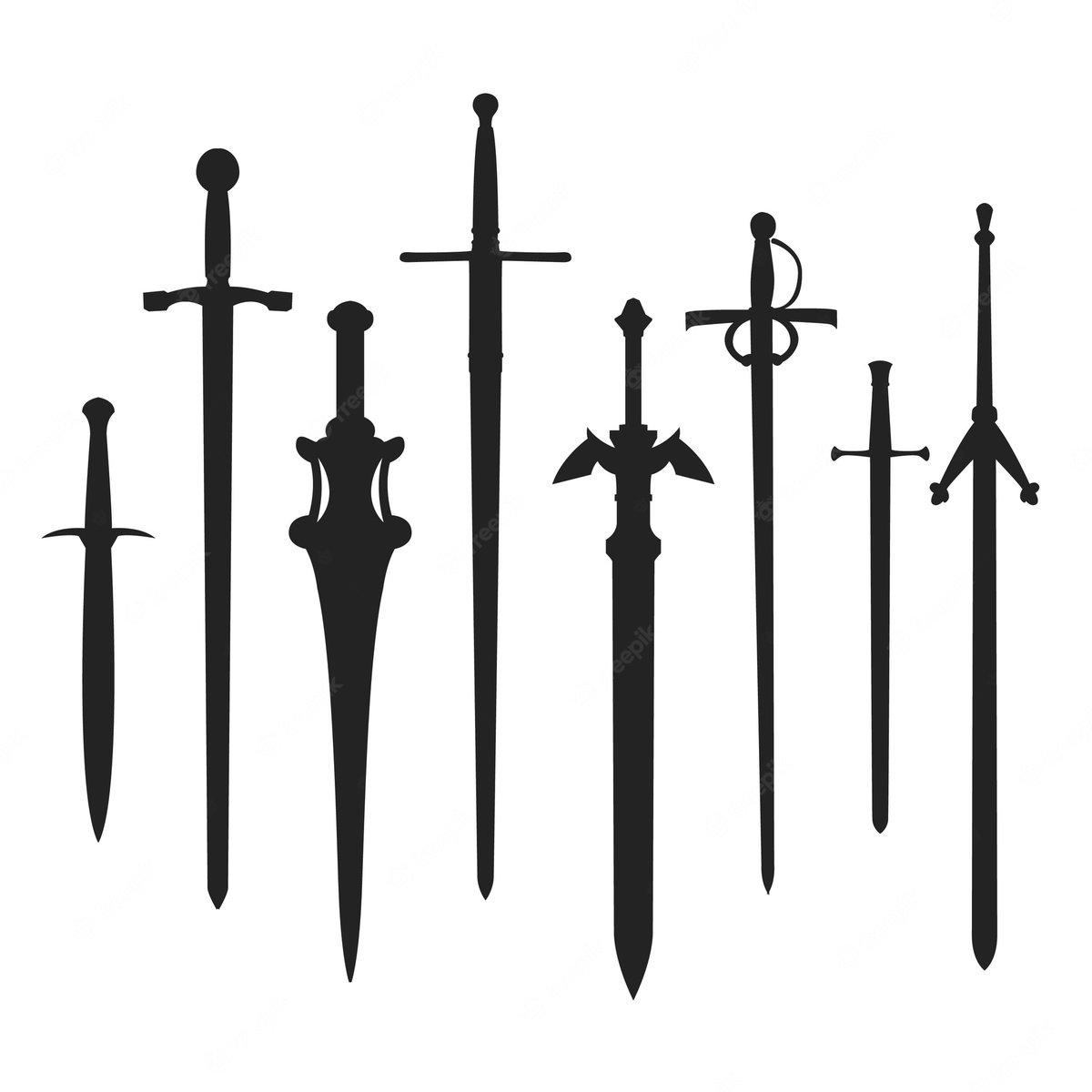
The stylized gleam of a cartoon sword has carved a unique path through our collective imagination, evolving from simple lines on paper to complex, character-defining artifacts in animated epics. Tracing The Evolution of Sword Cartoons in Media isn't just about weapon design; it's a visual journey through storytelling, cultural exchange, and the very craft of animation itself.
From the first political jabs etched onto European paper to the digital battlegrounds of global manga and anime, the sword in cartooning has always been more than just a prop. It's a symbol, a narrative device, and often, a character in its own right, mirroring the shifts in artistic expression and societal values across centuries.
At a Glance: The Graphic Blade's Journey
- Early Beginnings: Cartoons used rudimentary swords in political satire and social commentary in 18th-century Europe.
- Eastern Influence: Japanese manga and anime revolutionized sword design, blending traditional katana aesthetics with fantastical exaggeration and deep symbolism.
- Stylistic Diversity: Swords adapted across genres—from humorous gag comics to gritty fantasy epics, reflecting unique artistic styles and cultural contexts.
- Narrative Power: Cartoon swords became powerful tools for character development, plot advancement, and embodying themes like loyalty, revenge, and heritage.
- Modern Adaptations: Digital tools and platforms have further diversified sword depictions, fostering global fan engagement through replicas, merchandise, and new creative works.
- Enduring Appeal: The human fascination with the blade, translated through dynamic visual language, continues to make cartoon swords timeless symbols in media.
The Genesis of the Graphic Blade: From Political Pokes to Mythic Tales
Long before glowing energy blades or impossibly oversized swords graced our screens, the rudimentary outline of a sword occasionally pierced the pages of early cartoons. These weren't tales of epic heroism, but rather sharp-edged commentaries on the political and social landscapes of 18th-century Europe. Think of early caricaturists, brandishing their pens like rapiers, using simplistic sword imagery to symbolize power, conflict, or even an imminent challenge to authority.
Thomas Nast's devastating illustrations in 19th-century America, for instance, targeting New York’s corrupt Tweed Ring, exemplified the raw power of visual language. While not always featuring swords prominently, these works established cartoons as a potent force capable of influencing public opinion. They were accessible, understandable even to illiterate citizens, and their ability to convey complex messages instantly made them revolutionary. As cartoons transitioned from pure commentary to narrative forms, the idea of weapons—including swords—as extensions of character and plot began to take root. Artists developed unique techniques, moving from elaborate etchings and lithographs to cleaner lines in newspaper cartoons, slowly paving the way for more dynamic and expressive blade art.
Eastern Mystique Meets Ink & Pixels: The Katana's Reign in Anime & Manga
No discussion of sword cartoons is complete without a deep dive into Japanese manga and anime, where the blade arguably achieved its most iconic and culturally significant portrayals. Here, swords are far more than mere weapons; they are powerful symbols of pride, power, and heritage, deeply rooted in the warrior's spirit and chivalric code central to Japanese culture.
The foundation for many of these fantastical weapons lies in the ancient Japanese samurai sword—the katana. Its distinct curvature, single-edged design, and intricate craftsmanship are often exaggerated in anime to convey quickness, speed, and dramatic flair. Think of Kenshin Himura's reverse blade katana in "Rurouni Kenshin," a weapon that perfectly encapsulates his vow not to kill. This isn't just a design choice; it's a character statement. Other series push these design boundaries even further. Zoro's unique Three Swords style in "One Piece," where he wields a katana in each hand and a third in his mouth, defies conventional logic but instantly defines his audacious personality and immense strength. Similarly, the diverse 'Zanpakuto' in "Bleach" each reflect a character's powers, personality, and even their inner spirit, evolving alongside them in battle.
These aren't just fantasy creations; they carry profound symbolic weight. The "Dragon Slayer" in "Berserk," for instance, is an impossibly massive slab of iron that perfectly represents the protagonist Guts's relentless desire for revenge and his struggle against overwhelming adversity. These visual choices are deliberate, elevating storytelling and character development far beyond simple action sequences.
Beyond the Katana: Diversifying the Cartoon Arsenal
While the katana holds a special place, the evolution of sword cartoons isn't solely a Japanese phenomenon. Western cartooning, influenced by medieval fantasy, mythology, and pulp adventure, has also brought a vast array of blades to life. From the iconic Excalibur wielded by King Arthur in various animated adaptations to the more whimsical, sometimes even rubbery, swords found in comedic cartoons, artists have adapted real-world weapon concepts to fit the logic—or illogic—of their cartoon worlds.
Different styles of depiction emerge: the broad, powerful strokes of a barbarian's sword, the elegant rapier of a swashbuckler, or the simple wooden stick that becomes a mighty weapon in a child's imagination. Each reflects the genre and tone of the story. Cartoonists often employ "visual shorthand," where the mere silhouette of a sword can instantly communicate a character's role (knight, rogue, hero) or an impending conflict. This adaptability ensures that the sword, in its myriad forms, remains a versatile tool in any cartoonist's arsenal.
The Artistry of the Animated Edge: Techniques and Styles
Creating a compelling sword in a cartoon involves more than just drawing a sharp object. It's about artistic technique and integrating the weapon seamlessly into a character's design and movement. Early cartoonists, working with pen and ink, developed styles that emphasized clean lines and economical compositions. Think of the dynamic curves and motion lines that convey a sword's swing, making it feel fast and impactful even in a static image.
As the medium evolved, so did the artistry. Winsor McCay's breathtaking draftsmanship in "Little Nemo in Slumberland," while not focused on swords, showcased how intricate detail could bring fantastical worlds to life, a principle that would later be applied to weapon design. With the advent of digital tools, the transformation has been profound. Artists now have a vast palette of effects—glowing edges, particle effects, impossible transformations—that democratize access and allow diverse voices to enter the field. These tools enable swords to feel more magical, more impactful, and more uniquely tailored to the specific fantasy world they inhabit.
Ultimately, a distinctive style becomes a cartoonist's signature. Just as Charles Schulz's "Peanuts" characters are instantly recognizable, the way a specific artist or studio renders a sword can become an iconic part of their visual language. It’s through this blend of technique, creativity, and consistent style that cartoon swords truly come alive.
Swords as Storytellers: Symbolism and Character
The enduring power of sword cartoons lies in their ability to imbue these objects with deep symbolic meaning, turning them into extensions of character and pivotal plot devices. A sword isn't just for fighting; it can represent a character's journey, their moral compass, or their destiny.
Consider the 'Sword of Light' from countless fairy tales and fantasy narratives—it's not just a powerful weapon, but a symbol of purity, heroism, and the ultimate triumph of good over evil. In "Inuyasha," the Tetsusaiga is intrinsically linked to the titular character's heritage and evolving strength, transforming and growing with him. These swords often embody profound themes: loyalty to a lord or a cause, the burning desire for revenge, the immense burden of power, or the weight of a legendary heritage. The mere design of a sword can tell a story: a pristine, elegant blade might belong to a noble hero, while a chipped, heavy, and battle-scarred sword speaks volumes about a seasoned, perhaps cynical, warrior. This deep connection between blade and wielder is what elevates sword cartoons beyond simple action to compelling drama. To truly grasp the breadth of these magnificent designs, you might want to Explore our sword cartoon collection.
The Cultural Impact: From Replicas to New Narratives
The legacy of these iconic cartoon swords extends far beyond the animated frame. They have profoundly influenced modern culture, fostering a vibrant global fandom and sparking new creative endeavors. Fans, captivated by the artistry and symbolism, actively engage with these fantasy worlds.
This engagement often manifests in the creation of meticulous replicas, allowing enthusiasts to physically connect with the weapons they admire. Merchandise sales, including high-quality sword replicas, continue to be a thriving market, showcasing the enduring appeal of these designs. Furthermore, the fascination with specific series, such as "Samurai Champloo" or "Afro Samurai," has spurred increased interest in traditional Japanese martial arts and sword making, demonstrating how fictional portrayals can inspire real-world cultural exploration.
Iconic swords and their associated techniques also inspire new manga, anime, and other media, creating a continuous cycle of influence. Cartoons, in this sense, become valuable cultural artifacts, offering insights into changing social attitudes and cultural preoccupations. The evolution of sword cartoons serves as a mirror, reflecting our desires for heroism, adventure, and the timeless struggle between good and evil, all expressed through the universal language of visual art.
Navigating the Digital Renaissance: Swords in the Modern Age
The digital age has been a game-changer for cartoons, and by extension, for the depiction of swords. The adaptability of cartoons has ensured their survival across an ever-expanding array of formats, from traditional animation to webcomics, animated GIFs, and interactive digital experiences. Social media platforms provide cartoonists with direct audience reach, allowing for immediate feedback and rapid dissemination of new styles and ideas.
While the fundamentals of compelling design remain, digital tools have opened up new frontiers for visual effects, allowing swords to shimmer, glow, and transform with unprecedented dynamism. The cross-cultural exchange has accelerated dramatically, with diverse cartoon traditions—from Japanese manga to Franco-Belgian bandes dessinées and Latin American historietas—influencing and being influenced by Western styles, leading to an even richer tapestry of sword designs. Even AI presents new, albeit complex, challenges and opportunities, with some cartoonists exploring it as part of their creative process. The essential humanity of the cartoonist, interpreting the world through a unique visual language, remains the core, ensuring that the sword, in its many cartoon forms, continues to communicate complex ideas, critique power, and simply entertain across centuries and digital divides.
Crafting Your Own Legendary Blade: Tips for Aspiring Artists and Storytellers
For those inspired to draw their own legendary blades or weave them into stories, understanding the principles behind the evolution of sword cartoons is key. It’s not just about aesthetics; it’s about purpose.
Here are a few pointers:
- Define Its Purpose: Before you draw, ask yourself: What does this sword represent? Is it a symbol of power, a cursed item, a family heirloom, or a tool for a specific job? Its purpose should dictate its design. A ceremonial blade will look vastly different from a war-worn weapon or a comedic prop.
- Integrate with Character: Your sword should feel like an extension of its wielder. A stoic warrior might have a simple, functional blade, while a flamboyant hero could wield something ornate and flashy. Zoro’s three-sword style isn't just cool; it reinforces his unique combat philosophy and audacious nature.
- Exaggeration with Intent: Cartoons thrive on exaggeration, but it should serve a purpose. An impossibly large sword (like the Dragon Slayer) conveys immense strength and burden. A blade that wiggles like rubber might underscore a character's slapstick humor. Don't exaggerate just for the sake of it; ensure it communicates something meaningful.
- Consider Your Medium: A sword designed for a single-panel gag cartoon will prioritize immediate visual punch and simplicity. A blade for a detailed animated series can have intricate details, glowing effects, and complex transformations that play out over time. Tailor your design to where it will be seen.
- Learn from History (Then Break It): Study real-world swords – katanas, broadswords, rapiers – to understand their construction and ergonomics. Then, feel free to break those rules creatively. This foundational knowledge will make your fantastical designs feel more grounded, even when they're utterly unique.
- Pitfalls to Avoid:
- Inconsistent Design: Once you establish a sword's look, stick with it unless it's intentionally designed to transform. Inconsistencies can break immersion.
- Lack of Symbolism: A sword that exists just to be a sword often feels flat. Give it meaning, a backstory, or a connection to your character's arc.
- Ignoring Physics (Completely): Even in a fantasy world, there's often an internal logic. A sword that's too heavy to lift one minute and effortlessly swung the next without explanation can be jarring.
Your Next Quest: Engaging with the Graphic Sword
The journey of sword cartoons in media is far from over. From the earliest etchings to the latest digital masterpieces, the allure of the blade, rendered through the cartoonist's unique vision, continues to captivate. These timeless symbols elevate storytelling, enrich character development, and foster deep cultural interaction.
Whether you're a seasoned fan dissecting the intricate symbolism of your favorite anime blade or an aspiring artist sketching your first fantasy weapon, take a moment to appreciate the incredible artistry and narrative power behind these graphic swords. Dive deeper into their rich history and diverse designs. And if you're ready to explore more of these incredible creations, we invite you to Explore our sword cartoon collection and continue your visual journey through the evolution of the graphic blade.